Biodiversity 2mn
What are the new species in the Tropical getaway exhibition?
New species are enriching the exhibition's ponds.

The reopening of Nausicaá after four weeks of renovation work is an opportunity to take a closer look at the aquariums and discover new species.
This year is no exception to tradition, with new species appearing in the Tropical getaway exhibition.
C’est du côté du platier, la partie plate et peu profonde du récif que vous pourrez découvrir notamment le baliste à bordures dorées ou encore le poisson-papillon à selle noire. Ceux-ci rejoignent les requins marcheurs et les limules, qui demandent une observation attentive pour les repérer dans les rochers ou le substrat du platier.
It is on the flat, shallow part of the reef that you can discover the gilded triggerfish and the saddle butterflyfish. These join the epaulette sharks and American horseshoe crabs, which require careful observation to spot among the rocks or substrate of the reef.
In the pass, barhead spinefoot join blacktip reef sharks. Collector urchins add a prickly touch!
Other species have joined the aquariums in the Action Corail area. A new structure created by Corail Résilience has just been installed in the central tank of the area. It houses coral cuttings that have grown in Nausicaá's reserves. This test immersion in our tanks will continue in the natural environment in Colombia in a few months' time. You can support this expedition with your donations.
A new species is also making an appearance: the warty frogfish. This small fish will be easy to spot, with its rather round body and its way of moving by leaning on its fins rather than swimming.
In the aquariums of the Action Corail area, picturesque dragonets make their appearance, as beautifully coloured as the mandarinfish. They live alongside pom-pom crabs because of the small anemones they hold in their claws.
Trips to the North Sea and the Mediterranean
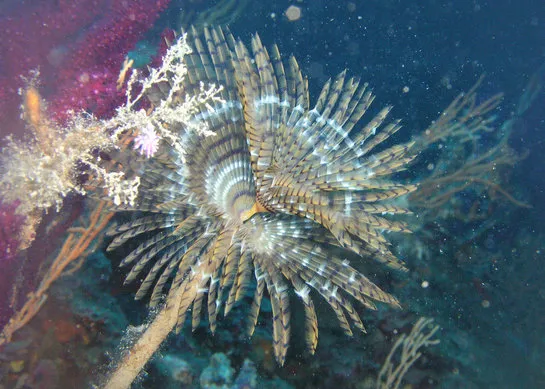
Les espaces Mer du Nord et Méditerranée se dotent également de nouveautés : des seiches communes, des hippocampes mais aussi les spirographes, ces vers tubicoles aux panaches en spirale.
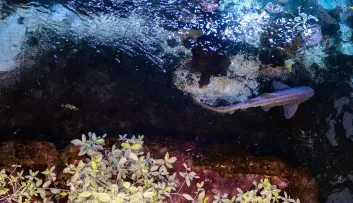
Enfin, dans l’espace Histoires d’îles, deux requins nourrices à queue courte ont rejoint l’exposition. Ces requins de petite taille ont la particularité de pouvoir survivre plusieurs heures hors de l'eau.
À découvrir lors de votre prochaine visite !
The North Sea and Mediterranean areas also feature new additions: common cuttlefish, seahorses and peacock feather dusters, tube-dwelling worms with spiral plumes.
Finally, in the Island Stories area, two short-tailed nurse sharks have joined the exhibition. These small sharks have the unique ability to survive for several hours out of water.
Come and discover them on your next visit!
Other articles
Tropical getaway, behind the scenes of a...
Coral 1mn
After three years of work, the tropical area has regained it...
Alexis Rosenfeld, a committed sponsor fo...
Coral 1mn
Meet this passionate photographer, witness to the evolution ...
Beaching and rescue of a loggerhead turt...
Biodiversity 2mn
A young loggerhead turtle that had washed ashore was rescued...