All aboard for a brand new voyage of discovery!
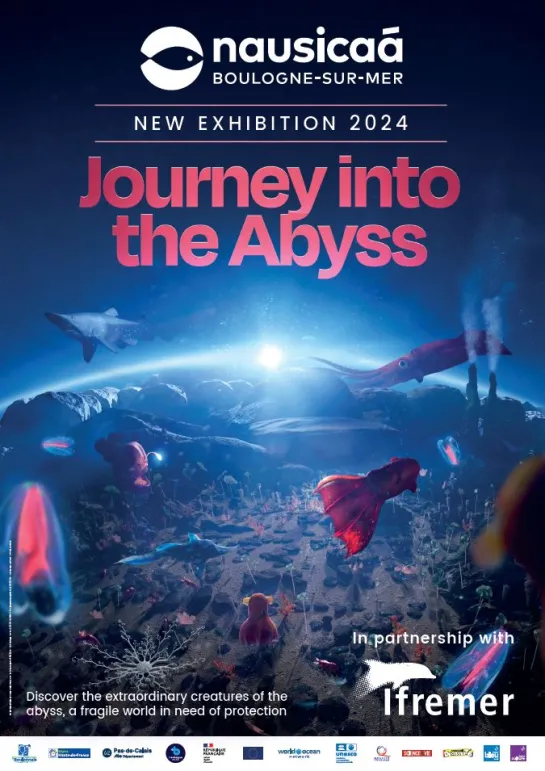
As you explore the “Journey on the High Seas” tour, don’t miss out on the brand new exhibition dedicated to the Abyss.
Take a dive down to a depth of more than 1,000 metres to discover the wonders that inhabit the deep seabed. Take a deep breath and you’ll see: it’s truly spectacular! An obscure, mysterious world is waiting for you, where the living conditions are extreme...
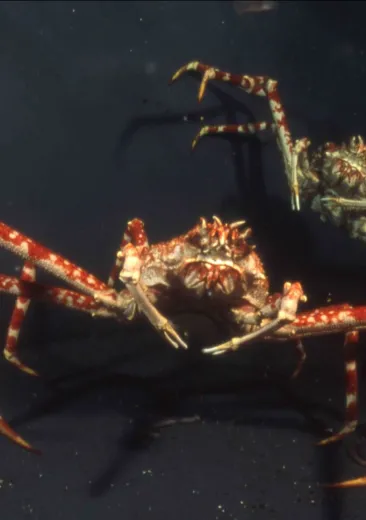
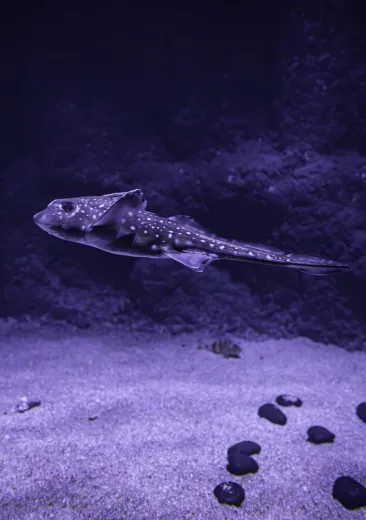
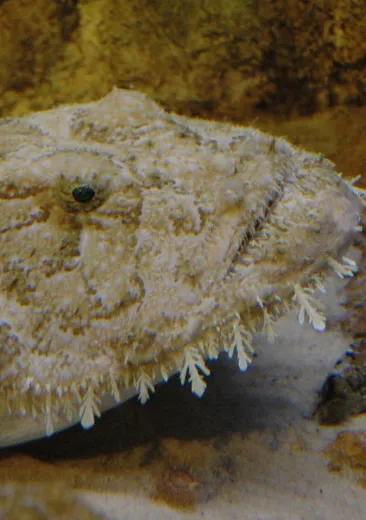
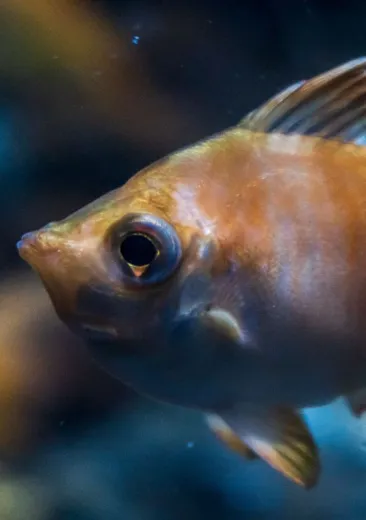
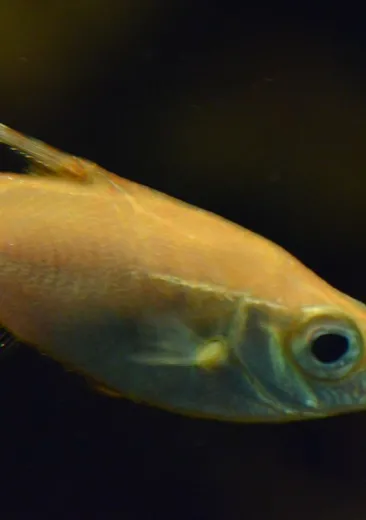
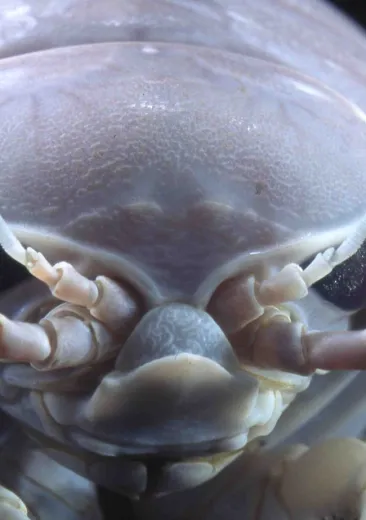
In this world of darkness, life here ought to be impossible, but it is actually fantastic. Fish with gigantic teeth, bioluminescent jellyfish, abyssal humpback anglerfish or giant spider crabs, discover a whole host of abyssal creatures, each one just as surprising as the next, which very few people have ever had the opportunity to admire at such close quarters. Take this immersive, sensory journey and learn more about these species and this fascinating environment!
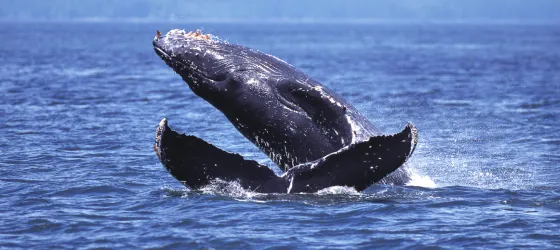
The deep seabed covers 2/3 of the earth’s surface. So, exploring these depths to gain a better understanding of what they are and how to preserve them is essential for the future of our blue planet and the future of mankind. Together, we must combine our efforts to protect the deep seabed!