Coral 3mn
How does coral reproduce?
How does a coral polyp become a reef?

Coral is a fascinating animal, considered to be the planet's greatest builder. But how can a polyp just a few millimetres in size build reefs like the Great Barrier Reef that can be seen from space?
Two modes of reproduction
It all starts with a coral larva called a planula.
It all starts with a coral larva called a planula. To create a reef, coral has two methods of reproduction:
- Sexual reproduction: Once a year, according to the lunar cycle, corals release male and female gametes that lead to the development of larvae. These are carried by the current through a pelagic phase before settling on a suitable support. They develop into a coral polyp, carrying a new genetic make-up.
- Asexual reproduction (budding): To develop and form a coral reef, the polyp clones itself. An outgrowth will give rise to a new polyp, a genetic replica of the parent polyp.
Little by little, the coral forms a colony comprising thousands or even millions of individuals. A reef is therefore made up of several colonies of coral.
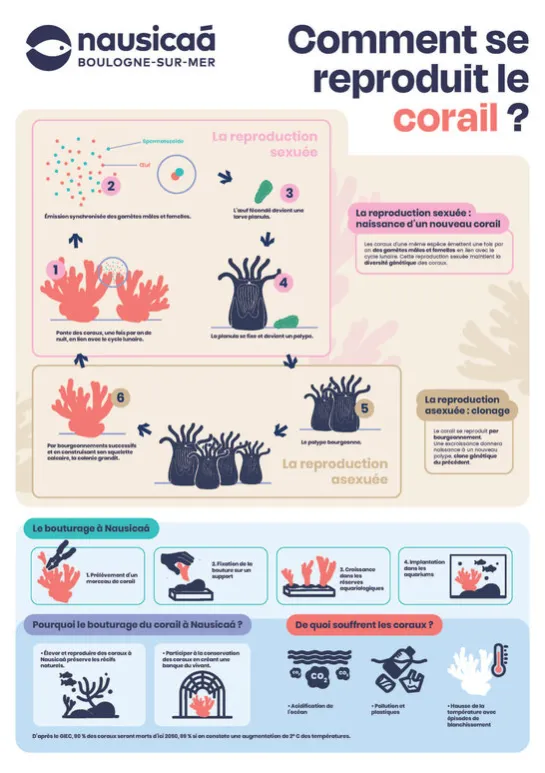
Coral cutting to preserve natural resources
Expertise developed at Nausicaá
In the natural environment, after storms, corals can break off and try to attach themselves to a new support in order to develop. This random method of propagation in the natural environment is practised in a reasoned way with a high success rate in Nausicaá's aquariological reserves, using the cutting technique.
This technique involves taking a piece of coral from a mother plant and attaching it to a support so that it can grow. Again, this is cloning. Nausicaá's aquarists have mastered this technique and breed all the corals on display.
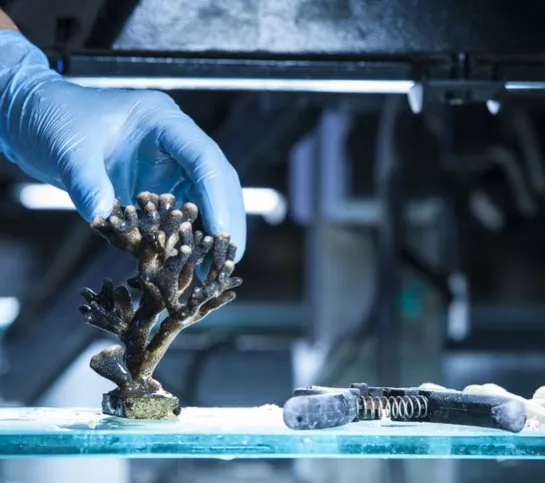
Coral cuttings to restore coral reefs
Innovation and action on the ground
Highly threatened by climate change, corals are experiencing bleaching episodes that can lead to the death of reefs. Local associations are also working to restore them through cuttings.
The Coral Planters, for example, installs artificial structures to which coral cuttings are attached. Submerged in the Maldives, these grow and help to reconstitute a rich, living ecosystem by attracting marine biodiversity once again.
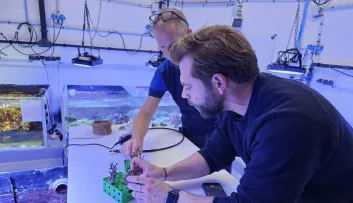
Plastic artist Jérémy Gobé is developing modular structures to house coral cuttings. Tested at Nausicaá, his innovation is now installed in a natural environment in Colombia.
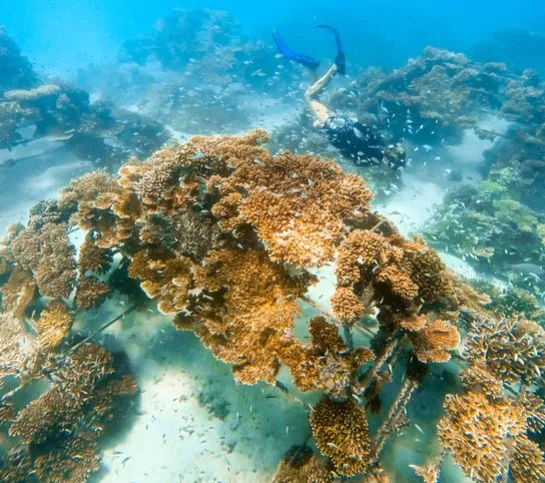
Nausicaá, a bank of life
Nausicaá is also involved in the World Coral Conservatory. The aquariums that are partners in this initiative receive samples of coral taken from the natural environment, which they then grow and propagate in their aquariological reserves. By ensuring the survival of a genetic heritage that is threatened in the wild, Nausicaá is becoming a bank for living things.
Photo credits: The Coral planters - Reefscapers, Alexis Rosenfeld, Dominique Mallevoy
Voortplanting van koraal
Document om te downloaden
Other articles
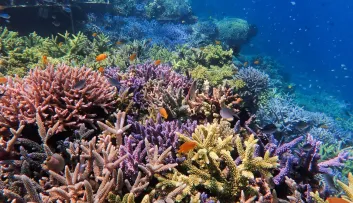
What is a coral reef?
Coral 9mn
Discover the coral ecosystem, an extraordinary garden under ...

What is coral?
Coral 1mn
Animal or vegetal? Nausicaá and Esprit sorcier explain what ...
Coral resilience
Blue Innovation 3mn
Combining art, science and industry to restore coral reefs.
Selective breeding to restore coral reef...
Biodiversity 2mn
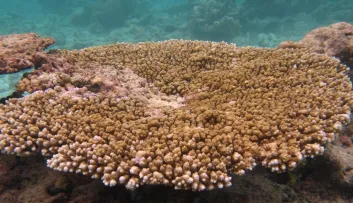
Genetic selection is the key to coral restoration.
Corail Artefact, for the preservation of...
Blue Innovation 4mn
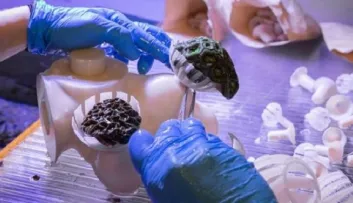
Corail Artefact is an innovative project by Jérémy Gobé, inc...
Nausicaá takes part in coral conservatio...
Coral 3mn
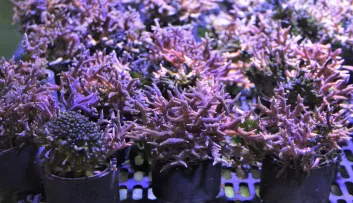
Public aquariums, working together to preserve corals.